








Florida lawmakers have passed legislation establishing a regulatory framework for protected cell captive insurance companies in the state, a move aimed at modernizing the captive insurance sector and boosting Florida’s competitiveness in risk management options for businesses.
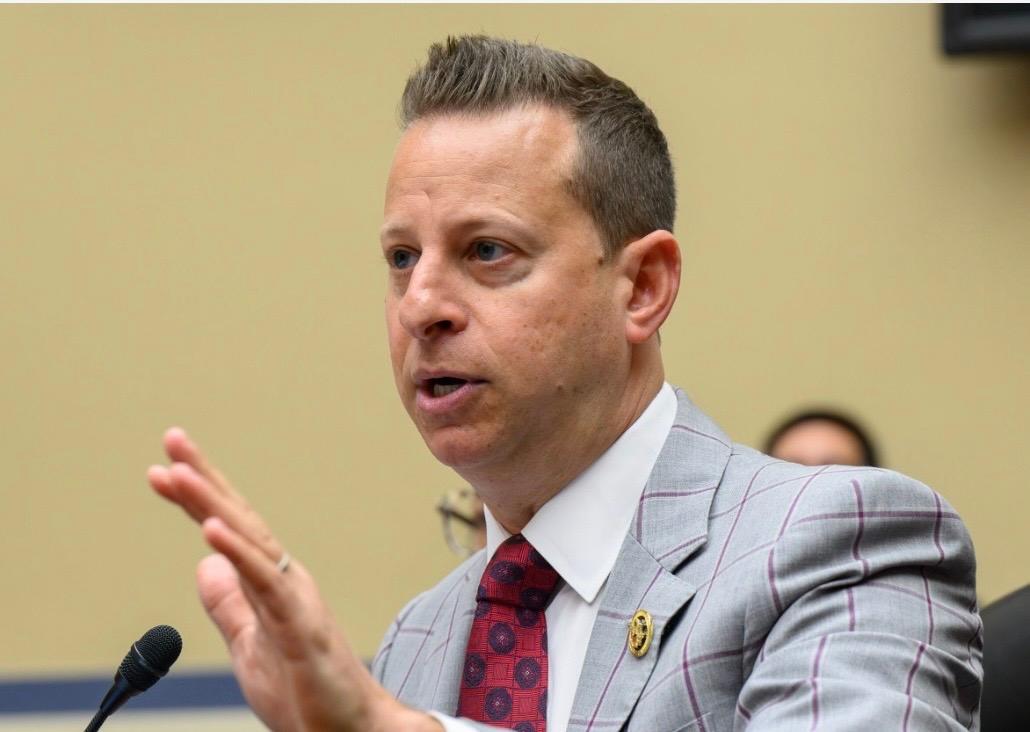
The bill, HB 883, sponsored by Rep. Tom Fabricio (R-Miami-Dade) in the House and its companion SB 990 by Sen. Tom Leek (R-Ormond Beach) in the Senate, expands the legal definition of a captive insurance company to explicitly include protected cell structures.
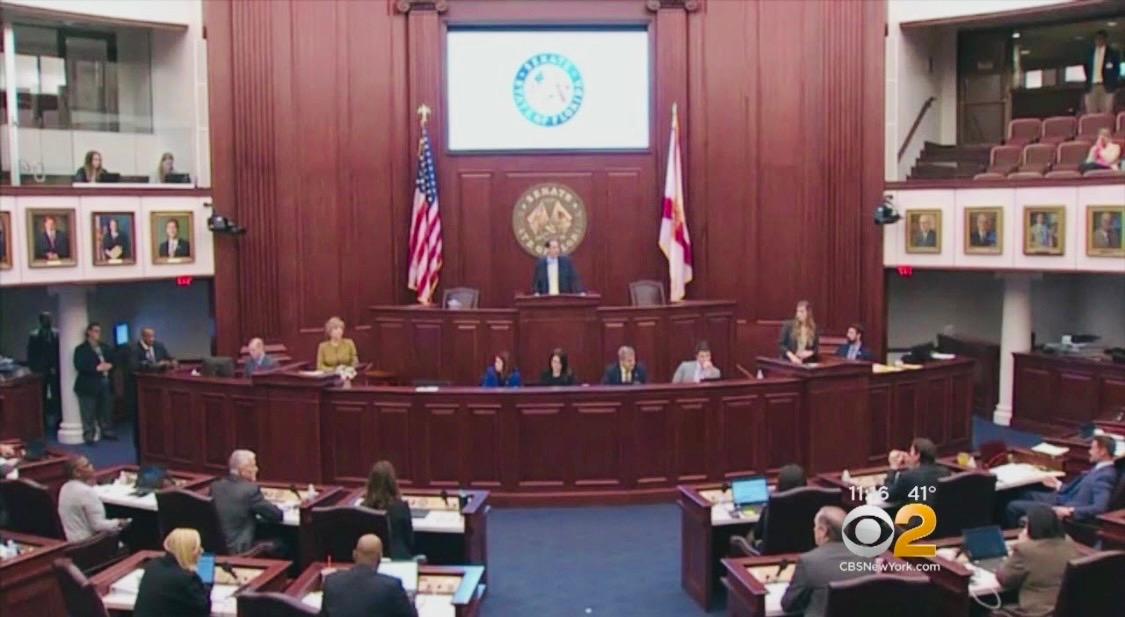
It cleared the House on March 3, 2026, with a unanimous 110-0 vote and the Senate with a 37-0 vote, and has been ordered enrolled as of March 4, 2026.
Captive insurance companies allow businesses to self-insure their own risks instead of buying traditional commercial policies. The protected cell model enables multiple unrelated participants to share a single captive entity while legally segregating each participant’s assets and liabilities into individual “cells,” preventing cross-liability exposure.
The legislation sets minimum capital and surplus requirements (including at least $100,000 in unimpaired paid-in capital and surplus for protected cell captives in many cases), mandates separate accounting and identification of assets/liabilities for each cell, restricts coverage to cell participants only, and permits combined administrative functions across cells while preserving separations.
It also details licensing, formation, reinsurance, insolvency procedures, and legal actions specific to individual cells.
Supporters argue the change addresses a gap in Florida law, as many other states already permit protected cell captives, which are seen as flexible and cost-effective for risk management.
“HB 883 positions Florida as a national leader in innovative and responsible risk management solutions,” Fabricio said in a statement. “It creates a structured and secure environment for businesses while maintaining strong regulatory safeguards.”
Leek described the measure as strengthening the state’s insurance marketplace by offering businesses more advanced, clearly regulated options for handling risks.
If signed by the governor, the law takes effect July 1, 2026.