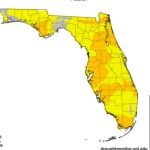








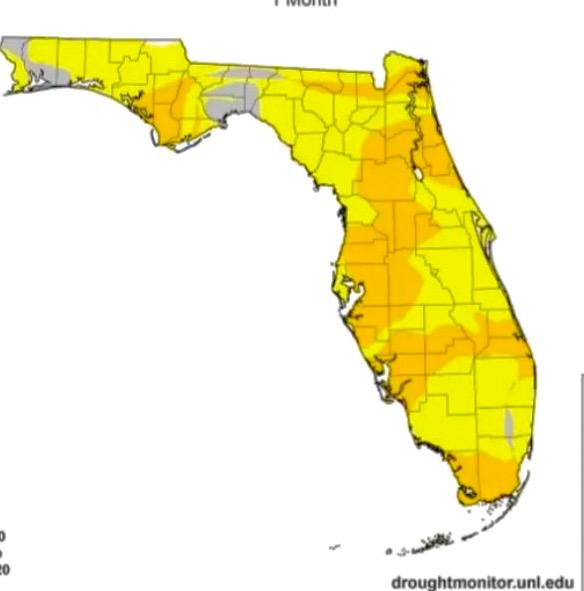
Florida is grappling with its most severe drought in over 25 years, with the entire state now under drought conditions as of early March 2026, according to the U.S. Drought Monitor.
More than two-thirds of Florida is classified in extreme drought (D3 level or higher), marking the first time since records began in 1999 that 100% of the state has faced at least moderate drought.
In southwest Florida communities like Cape Coral, the impacts are acute. Private well users drawing from the critically low Mid-Hawthorn Aquifer face a complete ban on lawn and landscape irrigation, enforced by local authorities and the South Florida Water Management District.
Code enforcement officers are monitoring compliance, issuing citations to residents violating the restrictions amid efforts to protect dwindling groundwater supplies.
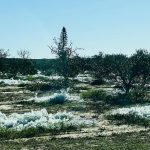
The drought stems from prolonged below-normal rainfall, exacerbated by a La Niña pattern this winter, leading to heightened wildfire risks, stressed agriculture, and low levels in rivers, lakes, and aquifers.
Florida’s water management challenges are compounded by ongoing debates over storage solutions for Lake Okeechobee and surrounding watersheds. Projects under the Lake Okeechobee Watershed Restoration Project (LOWRP), including proposed aquifer storage and recovery (ASR) wells and northern reservoirs, aim to capture excess water from wet periods for use during dry spells.
Modeling for these initiatives suggests they could reduce harmful discharges to northern estuaries like the Caloosahatchee and St. Lucie by significant margins in certain scenarios, while recharging aquifers and supporting water supply reliability.
Environmental groups such as Captains for Clean Water and the Everglades Foundation prioritize sending water south to the Everglades through projects like the Everglades Agricultural Area Reservoir.
They have expressed reservations about expanding ASR systems, citing historical concerns over water quality and ecological effects, though proponents argue updated evidence supports northern storage’s benefits for both coastal protection and supply.
The current crisis highlights the consequences of limited storage from prior wet periods, with excess water not fully captured, contributing to shortages affecting farms, residential wells, and ecosystems. Agricultural producers face heightened risks to crop production, raising concerns about food supply stability and potential increased reliance on imports.
State and federal efforts continue to advance restoration components, including ASR well clusters and wetland features north of Lake Okeechobee, as detailed in recent South Florida Environmental Reports. Officials stress the need for balanced approaches to store water regionally to mitigate future extremes.
Drought conditions are expected to persist in the near term, with March forecasts leaning toward below-normal rainfall in many areas.