






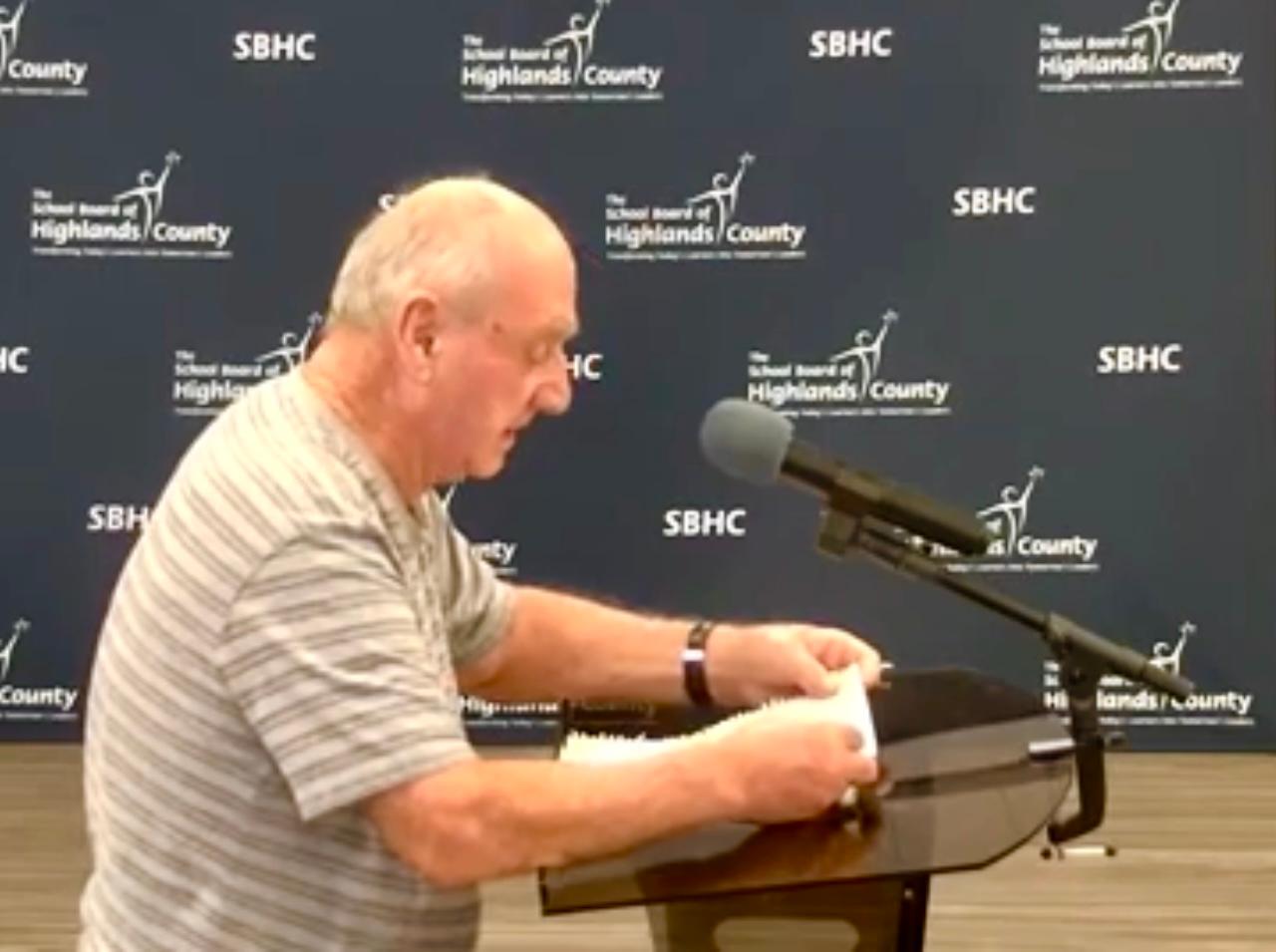
He charged the school system with cowardice, saying apparently the administration was afraid to confront parents after students were accused of lying. He called on the board to establish a protocol to address such issues.
Ironically, he said, he was still permitted to teach in high schools and grammar schools, but announced he would not return.
”I will not be in your environment,” Webber said.
Highland has been operating without full time teachers for years and have filled the void with substitutes.
Meanwhile, a new City Journal report shines a spotlight on some troubling patterns in K-12 education nationwide.
Federal and state policies aimed at reducing suspensions and expulsions, as well as traditional disciplinary measures getting replaced by interventions like “restorative circles” and “restorative conferences,” are contributing to a permissive climate in public schools.
Last year, more than 70% of teachers reported an increase in disruptive behavior like aggression, bullying, tantrums and emotional outbursts.
According to a Pew Research Center survey from earlier this year, 1 in 5 teachers say student disrespect is a problem in their classrooms.
Case in point: This week Alexandria City High School in Northern Virginia responded to multiple student fights by transitioning to online learning and offering “virtual support circles” hosted by the Department of Student Services .
Moreover, Post-pandemic, lenient attendance policies persist, with 25% of students now chronically absent.
To add to the problem, academic standards have been declining with practices like retaking tests, accepting late assignments and avoiding failing grades. A 2024 analysis of 33,000 grades found that 40% were elevated beyond what standardized testing outcomes would have been.
In some cases, testing has been replaced by subjective measures to increase passing rates, lowering overall academic rigor.
For instance, after Thomas Jefferson High School for Science and Technology, once the top-ranked public high school in the country, eliminated standardized tests as part of its admissions process, the number of Thomas Jefferson students who were named National Merit Semifinalists dropped by more than half.
It remains unclear how much of this is occurring in local school systems.